Top Tips To Find A Reputable Blepharoplasty Surgeon

When it comes to surgery, although relatively rare there can be complications and risks regardless of the surgery you opt for. Even surgeries that you may consider quite minor does come with an element or risk. As you’re putting your safety into someone else’s hands it’s understandable to be cautious about the surgeon you choose.

Specifically, we’ll discuss what it is you need to look out for when it comes to blepharoplasty surgeons. Here are some top tips to help you find a reputable surgeon to conduct your blepharoplasty surgery.

Are They A Member Of Well-Known Organisations?

There many surgery-related organisations out there that are committed to promoting excellence when it comes to aesthetic surgery. To ensure patients can be safe and sure they are getting the right care, these organisations will credit surgeons for their expertise and experience in the sector.

If the surgeon you’re looking for is a member of organisations such as BAAPS or similar organisations, you can be sure that you’re in the right hands. Before choosing a plastic surgery practice, contact these organisations about the specific surgeon you’re considering. This will definitely ensure you’re going for a reputable blepharoplasty surgeon.

Do They Have Consultancy Experience With The NHS?

Has the surgeon had previous experience as an NHS consultant or had connections with the post? Only the most experienced and well-trained surgeons adopt these posts and even though the risks are relatively small with cosmetic surgeons, complications can still occur. Consultants are regarded highly in the surgery world, so you’ll be extremely reassured that your surgery is likely to go well.

Word Of Mouth

One of the best recommendations that a surgeon can receive is when other patients voice their positive opinions of them. If you’ve heard many people discussing the surgeon and they’re all coming across positive, it’s likely that they’re extremely credible and have a high success rate. You’ll feel particularly reassured if it’s a close friend or a family member as you’re even likely to see the results close and personal.

They Don’t Tend To Be Cheap

Although it’s great to save some money with your cosmetic procedure, considering how important your safety is sometimes it’s not highly regarded to skrimp on surgery. This is because a blepharoplasty surgeon who promotes their service at an extremely low price is likely to be more concerned about being paid rather than your safety. If an offer looks far too good to be true, then it probably is.

Ensuring You Get A Reputable Blepharoplasty Surgeon

If you’re opting for a cosmetic surgery procedure, it’s important that you do thorough research beforehand. Look into the surgery itself and check reviews of the specific surgeon that you’ll be assigned to to perform your procedure. Considering the points mentioned above you’ll be sure that your procedure will be performed with due care and safety considered.

Here at Gary Ross, we have an expert team that have a range of specialities with cosmetic surgery. We’ll ensure that you’re provided with expert surgeons that have speciality in blepharoplasty surgery so we can manage and adhere to your expectations as best as possible. Contact us today to book a consultation and discuss your options with our dedicated team.
4 Signs You Need Surgery For a Deviated Septum

Having facial symmetry is every patient’s dream but it’s rare to find a person with a so-called ‘perfect face’. Irregularities in our facial features are common, particularly for your nose. In some cases, you may find that you have a deviated septum. This is when the cartilage of the nose is slightly off-center.

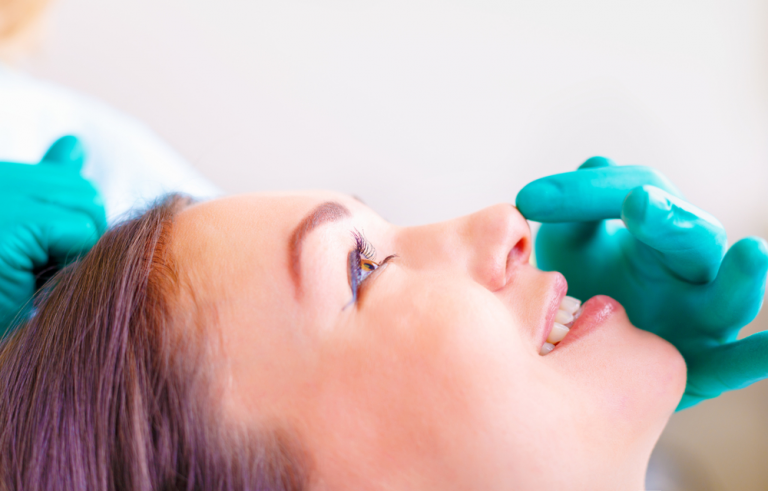
Although in most cases, this imbalance wouldn’t cause concern, for others it can cause life-altering problems that impact everyday life. Going through rhinoplasty surgery to specifically rectify your crooked nose can help to relieve these issues and allow you to breathe easier.

Here are 5 signs that you have a deviated septum and determine whether you may need specialist rhinoplasty surgery to resolve your problems.

1. Issues with respiratory

An imbalance of shape with your septum can cause restrictions with your air flow and prevent your body from breathing efficiently. If you find that you’re struggling to breathe on a regular basis, it’s important that you consult with your doctor on whether the issue is caused through a deviated septum and whether rhinoplasty surgery is needed.

2. Persistent disorders of the nasal

Do you feel as though you constantly suffer from a blocked nose or suffer post-nasal drip? If you tend to sneeze regularly or have a runny nose, these can be common signs that you have a deviated septum.

Rhinitis and sinusitis are common signs to do with an imbalance in nasal structure. Whilst you may commonly pass these off as simple allergy problems, if they happen regularly then they can interrupt your pleasure of daily living and indicate that you need medical help.

3. Nose bleeds

This will be considered the most apparent of all the symptoms as nose bleeds aren’t a frequent episode in daily life. If you suffer from unexpected nose bleeds it’s important that you give this immediate attention straight away and consult a specialist to assist you. Nasal disorders and issues with breathing can be easily rectified with a rhinoplasty procedure, focusing on realigning the nose and correcting its shape.

4. Lack of sleep

There can be many reasons related to sleep apnea including a busy lifestyle and stress, therefore this could be considered one of the last signs you look for if you suffer from a deviated septum. Combining this, with the other signs mentioned above would give you a better indication that you do have a deviated septum. Do you choke and cough from time to time in the middle of the night? Do you have restless nights? These are common indicators of suffering from a deviated septum.

Rhinoplasty surgery for a deviated septum

One of the solutions to your deviated septum issues is undergoing rhinoplasty surgery. During your consultation, we’ll use this time to understand what you’re suffering from and focus specifically on the areas of the nose that need to be rectified in order to relieve these issues that you’re having. Book a consultation with us so we can help to correct your deviated septum through rhinoplasty surgery.

What Should I Consider if I Want a Nose Job?

How you look and what your appearance is probably something you take much pride and joy in. As such, you may be in the one of many who tells yourself, ‘I want a nose job’. But the process is more complicated than simply wanting a nose job and going for it. There are plenty of factors you should consider if you’re opting to have a rhinoplasty procedure, particularly as it’s a life changing choice you’ll be making. First and foremost, when you tell yourself ‘I want a nose job’, you need to make sure that you’re doing it for yourself. The influence and pressure of others shouldn’t determine how you look as it’ll be a change you’ll be making to your own body. At the same time, how your decision can be correctly influenced is from the research that you conduct before the surgery. Here, we discuss the factors you should consider if you want a nose job.

Conduct your research before going ahead

The best way to gain the results that you want from your procedure is by having an understanding of what to expect. This can make it easier to manage expectations and how the outcome might appear once the surgery is completed. Conduct thorough research before you go ahead. This will include researching different surgeons and their expertise, how the surgery is conducted, various before and after photos and what the recovery time will be.

Each individual case is different

We’re all not born the same and we each have our unique features and qualities within our appearance. So, whilst you might have seen the perfect nose job of your favourite celebrity on social media, don’t expect yourself to have similar results. Each case is different patient by patient, so you should keep this in mind when you’re heading to the surgery table. Your surgeon will get a better understanding of your anatomy during your consultation. It’s here where you and your surgeon can discuss the pros and cons of the surgery and manage your expectations.

The results will take time to show

Whilst a cosmetic surgery procedure can be a quick fix to your appearance paranoia, the recovery and results of the surgery will take time. As with any procedure, the body needs time to heal before it can begin to show the results that you’re looking for. We advise that you start to see the results around 6 months after your procedure once the swelling and bruising has healed. Around this time, you can get a better indication of whether or not you achieved the desired results you were looking for. If you’re unhappy with the results, there is the possibility of going through a revision rhinoplasty which can amend the results you gained. It’s important that you leave it at least a year, however, before you decide to go through with this.

Aftercare is important

After your surgery, your surgeon will run you through the best aftercare techniques to aid your recovery and ensure it runs as smoothly as possible. The advice you’re given is extremely important as steering away from the methods can impact the final results of your rhinoplasty. The most important aspect is making sure that you avoid any supplements or drugs that promote blood thinning. Doing could cause bleeding and complicate your healing shortly after the surgery.

Considering these steps if I want a nose job

Your health and safety should be your main priority if you choose to have a nose job. Conducting thorough research and ensuring you’re in the right hands will help ease your nerves and feel more confident that you’ll get the results you want. Book a consultation with us today and we’ll be able to discuss your expectations or any concerns that you have about nose surgery. Feel free to also browse our rhinoplasty page to get familiar with the procedure.

Different Types Of Skin Plumping Treatments

There many different types of skin-plumping treatments available to choose from. There are also non-surgical methods that can help to change and plump the skin to provide it with a fuller and younger effect. This is normally through non-surgical heating and cooling devices which use different levels of energy to plump up the skin. For this particular vlog, we’ll be looking into the surgical skin plumping treatments and the options available to you.

For surgical skin plumping treatments, the most common and best method considered to plump the skin is through a fat transfer or a liposculpture method. These methods involve removing fat from one area of the body to another where it’s needed to plump.

A case study is provided in the video of a woman that’s had fat removed from the flanks in the buttock area. What’s beneficial about the skin tends to retract and remain good quality due to the dermis being thicker in this area. The fat that’s removed is then used to improve gain better contouring in other areas.

For the face, face lifting can also be used as a fat transfer method. This is shown in the second case study showing a woman that has had fat transfer treatment in the face. The images show how she looked pre and post-op.

There are many different skin plumping treatments available and fat transfer is probably considered the most ideal method out of these options. This is why it’s important to run through all of the options available during your consultation.

If you’d like more information on body skin plumping treatments then you can get in touch by contacting us here or by calling 0161 401 4064.

Why Are my Breasts Uneven? Causes of Asymmetrical Breasts

Do your breasts appear uneven? Is one more lopsided than the other? You’ll be surprised to know that asymmetrical breasts are extremely common in women. This is when your breasts appear different in size, shape or position, even with fully developed breasts this can be normal. The causes of asymmetrical breasts can be genetically driven which means if your family members had naturally lopsided breasts it would have been passed down to you too. You can notice signs of asymmetrical breasts as early as puberty. Early stages of breast growth can show indications that one breast is growing larger than the other. The reasons for this can be unclear as it’s most likely to do with the growth of the skin tissue. The tissue growth may be more on one side compared to the other or the cells are more sensitive to hormone levels of estrogen. Over time, the smaller breast will catch up but it can take a while before it catches up.

Medical causes of asymmetrical breasts

Medical conditions can be the common causes for asymmetrical breasts and below outline what these could be:

Pregnancy

When you go through pregnancy, your breasts can appear to look asymmetrical. This can be caused from the natural hormonal changes that your body goes through during pregnancy and also the body preparing you for breastfeeding. This can make your breasts appear larger and different in shape or size. When you breastfeed, your baby may prefer being nursed from one side more than the other causing the breasts to vary in size. This isn’t something to worry about, however, as the most important thing is that your baby is getting enough milk for them to grow.

Hypoplastic Breasts

Hypoplastic breasts are commonly known as underdeveloped breasts. The symptoms for this are when the breasts appear rather wide apart, small and thin. There will also be a noticeable appearance in your areolas where they appear large on the small breasts. The cause for this condition is relatively unknown, but it’s believed that this is something that can be caused by hormone production. Another cause can be from injury.

Juvenile Hypertrophy

This is a rare condition and results in one breast growing significantly larger than the other. It’s not completely known what the cause of this is but it can revolve around hormonal production and your body’s sensitivity towards it. If this does occur, the condition can be treated via surgery.

Atypical Ductal Hyperplasia

Familiarly known as ADH, this is a condition where excessive growth tissue forms in the breasts milk ducts. Although ADH isn’t a form of cancer you should be aware that it can still increase your risk of developing cancer in the future. The appearance of your breasts can change due to lumps forming from the condition. This is because more cells develop around the duct line which can be differential in shape and size.

Should I be worried about uneven breasts?

Asymmetrical breasts are relatively common in women, so it shouldn’t be too much of a concern. However, there are studies that suggest asymmetrical breasts can be a risk factor for breast cancer. This is not for certain as more studies need to be conducted to determine whether this is a big enough risk factor for cancer. In the meantime, if you do notice any differences in your breasts within shape and size, inform your doctor.

Coping with asymmetrical breasts

As we’ve outlined throughout the post, asymmetrical breasts are relatively common and shouldn’t be anything to worry about. However, coping with uneven breasts in everyday life can become a problem, particularly when choosing everyday attire. If this is something that is a concern for you, professional bra fitters are available to help conceal this. Alternatively, asymmetrical breast surgery is available here at Gary Ross. There are different techniques that can be used to help provide you with your preferred appearance for your breasts. We do advise that you consult with your doctor first before considering asymmetrical breast surgery. For more details about the surgery and how it’s conducted, be sure to visit our procedure page.

Common Types of Nose Surgery

You may be more familiar with a cosmetic nose surgery to help change the appearance of your nose, but did you know there are different types of nose surgery? A cosmetic rhinoplasty is a very common choice for patients that are looking to ‘improve’ how their nose looks. However, other nose surgeries are also available, each having their own purpose.

It’s important to consider that each person is different, so there will be different results for each patient. With this in mind, let’s explore the most common types of nose surgery.

Reduction Rhinoplasty

A reduction rhinoplasty involves the process of making your nose smaller. If you opt for this type of surgery you choose to reduce the overall size of the nose or choose to reduce specific parts such as the tip or bridge of the nose. How this surgery is accomplished is by removing cartilage or the bone to provide the desired shape.

Post Traumatic Rhinoplasty

If you’ve had an injury to the nose, a post-traumatic rhinoplasty if often performed. The nose is constructed of very complex tissue and bone structures so when the nose experiences this traumatic experience, this structure can be heavily impacted. This may include a broken bone, damaged cartilage and asymmetry, plus more.

There is also any form of bleeding that can interrupt this structure. When nose bleeding occurs the blood clots block of regular blood flow. This can cause the cartilage involved in the partition to deteriorate, a condition commonly known as septal hematoma.

Reconstructive Rhinoplasty

Surgery that has been undertaken due to cancer or facial trauma can often leave the nose with a disfigured appearance. This is because of the amount of tissue that’s been removed from the surgery previous. A revision rhinoplasty helps to restore that tissue that’s been lost and recover it if it’s beyond the repair.

This type of surgery would require the process of grafting to help recover this tissue and it can be taken from several parts of the body. Due to how complex the surgery is, you may require several surgeries during reconstructive rhinoplasty to help repair this tissue.

Revision Rhinoplasty

If you’ve gone through a previous cosmetic surgery on your nose and are either dissatisfied with the original result or have trouble breathing, a revision rhinoplasty can be the solution to this. It helps to repair the function of the nose as well as provide an improved appearance to how your nose looks.

Augmentation Rhinoplasty

Common types of nose surgery can also include an augmentation rhinoplasty. This requires the surgeon performing bone or tissue grafting up the nasal area or the bridge. Cartilage can be removed from other areas of the nose to help perform this grafting procedure.

Different Types of Nose Surgery For You

These are just some of the common types of nose surgery that are available to you. Depending on what you want to achieve from the surgery can determine which one will be ideal for you. Booking a consultation with us, we’ll be able to discuss your wants and needs of the surgery which will give us a better idea of what surgery is best to perform.

What is an arm lift? – Arm reduction surgery

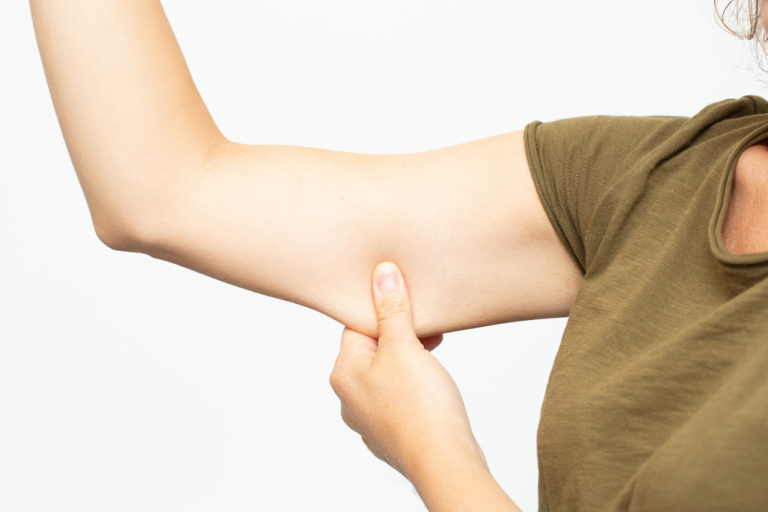
What is an arm lift? It’s another name that is provided for an arm reduction surgery. It tends to be a form of surgery that’s quite significant for patients who enjoy wearing low cut dresses. It involves the process of contouring the arms around the elbow and exilit. This is the most common area where arm reduction surgery takes place. In the next video of your vlog series, we provide more information of what is an arm lift and how it is conducted.

The surgery can involve several procedures in order to get the results you’re expecting. This can involve liposuction that can reduce the volume as well as excisional surgery to remove excess skin. However, some patients who have good quality skin may only require liposuction surgery. This is shown in the case study provided where a patient has only required liposuction surgery. The comparison of the pre-op and post-op pictures show a major improvement in the appearance of the patients’ arm in the front and back of the arms. 

If a patient is not so lucky to have good quality skin due to weight loss or from ageing over the years, for example, patients may require arm lifting in combination with excisional surgery. A different case study is shown which emphasises the improvements that can be made from this type of surgical procedure.

If you have further questions about what is an arm lift, as always you’ll be able to discuss these options through a consultation as well as any other questions or concerns that you have.

If you’d like more information on arm lift surgery then you can get in touch by contacting us here or by calling 0161 401 4064. You can also visit our arm lift case study page

Skin Care Tips After Breast Augmentation Surgery

Here at Gary Ross, we want to make sure that you take the best possible skin care tips after breast augmentation surgery for your aftercare. These precautionary measures can ensure that you heal well and gain the best possible results. It can also improve your recovery time making you feel comfortable in the process.

We’ve put together a list of some important skin care tips after breast augmentation surgery that you should consider to help improve your results and recovery.

Skin care tips after breast augmentation surgery

Staying hydrated

Drinking plenty of water not only hydrates your body but it also helps keep skin hydrated. You may also experience feelings of constipation shortly after surgery. Keeping hydrated by drinking plenty of water can help to ease the feeling as well as reduce any swelling you may be experiencing.

If possible, avoid any carbonated drinks and high caffeine intake at first. Alcohol should be avoided at all costs.

Wearing the right clothing

The type of clothing that you wear can also relate to your skin care after breast augmentation surgery. To avoid any overstretching or clothes that can irritate your skin, wear clothes with buttons and zips so it’s easy to wear. This avoids complications of attempting to put on your clothes.

Showering

In the early stages of your recovery, you should aim to prevent the wound from submerging itself in water, for at least 6 weeks. Try to protect the wound where you can and avoid baths, unless the bath is shallow and doesn’t submerge the would in water for an excessive amount of time. 

If you avoid getting the wound excessively wet, this should allow you to have a shower a week after the surgery. You should still look to pat down the wound after this, however.

Sleeping

Another form of skin care tips after breast augmentation surgery is how you sleep. This is because of the awkward positions you find yourself can interfere with your implant and skin.

Try to sleep upright and in an elevated position for at least 6 weeks after surgery. Although this may feel uncomfortable, it can really help with swelling and discomfort. This will prevent the implant from moving around and prevent healing complications.

Skin care tips after breast augmentation

These are some important skin care tips for breast augmentation after you’ve had the surgery. Here at Gary, we’ll run through all your aftercare advice and ensure you can have the best possible recovery without the fear of complications.

Take a look at our breast augmentation page and book a consultation with us today to see if breast augmentation is right for you.

Are There Any Benefits Of A Breast Reduction?

As a woman, you may encounter some physical symptoms such as back pain and neck ache. What you may not realise is that your large breasts will be the result of this.

It’s common for females with large breasts to experience discomfort when their breasts aren’t necessarily in proportion with the rest of their body. As you get older and potentially experience a form of weight gain, it can cause your shoulders to naturally roll forward which compresses the nerves and fibers in this area. Over time, this pain can be difficult to deal with. 

This where you could see the benefits of a breast reduction. When you go through your consultation with your surgeon, you’ll be able to discuss your issues and worries. From here, you can come to an informed decision of whether breast reduction surgery is right for you but there can be some benefits from a breast reduction that’s important to be aware of.

1. Prevent the possibility of back pain

The weight of your large breasts can cause discomfort in areas such as your back, neck and shoulders. You have many options available to you when it comes to choosing the size of your breasts, although this will also depend on your own individual needs and circumstances.

By reducing the size of your breasts, you can help to alleviate this pressure that you have on your neck, back and pain. This can prevent future discomfort in the future. 

2. Body becomes more in proportion

A large reason why you may feel discomfort is because your body is disproportionate in frame to support the weight of your breasts. If you reduce the size of your breasts, you can help to balance your figure in proportion with your breasts. Your breasts can also appear perkier and in well-shape.

3. Easier for clothing fits

Due to the disproportionate figure that you have, you may find that finding clothes that fit can be difficult. Although it may fit perfectly in some aspects of your body, it necessarily won’t with your chest area. This can become extremely frustrating and you may end up making alternative choices just so your clothes can fit you well. 

When you have breasts that are proportionate to the rest of your body, it alleviates the stress that you may have whilst you’re shopping or choosing your outfit for the day. You’ll also feel less discomfort from bras that can dig into your skin or cause scarring and marks on your skin. 

4. Exercise becomes more enjoyable

Another possibility with benefits of a breast reduction is feeling more comfortable with your exercise. Understandably, women tend to feel conscious about how large their breasts appear in their fitness clothing.

Having smaller breasts can prevent this paranoia that you have when you go to train. It may also help with the workouts themselves. You may find that with some exercises, they’re difficult to perform because of the weight or size of your breasts. Smaller breasts can help to prevent this complication.

5. Quick recovery time

The aftercare and safety of your body is most important after you go through surgery. A large benefit of breast reduction surgery is that the downtime and recovery are relatively short. It’s still important that you follow the steps of aftercare advised by your surgeon, but this recovery can be relatively small.

Thinking of the best benefits of breast reduction for you

Whilst these can be common benefits of a breast reduction surgery, you need to think about your own reasons for wanting a breast reduction in the first place. Think about the possible problems that you’re personally having and then work out whether a breast reduction will help you to overcome these issues. 

If you’d like more information on breast reduction then you can get in touch by contacting us here or by calling 0161 401 4064. You can also visit our article which goes into more detail about breast reduction and its benefits.

What is Considered The ‘Best Age’ to Get a Facelift?

How your skin looks in the future depends on the care that you provide it. Caring for your skin can provide youthful, young-looking skin. Unfortunately, factors you can’t control such as sun exposure, gravity and general stress can promote the ageing process in your skin. As a result, over time your face develops permanent fine lines and wrinkles. 

This can make you look older than you actually are. This makes you become conscious about your appearance and develop a lack of confidence in your looks. This is why to resolve these problems, you’d typically go through a facelift surgery to overcome these ageing issues.

This is why needing the ‘best age’ to get a facelift is a bit of a myth, as it’s more to do with your personal circumstances that make you a good candidate for a facelift. 

Is there a best age for a facelift? 

When most people consider a facelift, they tend to question whether there is a best age for a facelift and that they should reach a certain age in life before getting one. Traditionally, patients who are older tend to see better results for the procedure but whether you’re at a good age will depend on your own personal circumstances.

For the majority of cases, patients who age between 40-60 tend to see the best results from their facelift procedure. However, you should consider your personal circumstances rather than what age you’re at. Here are some signs to look for:

  • Are wrinkles forming underneath your eyes? 
  • Do you have deep lines around your mouth and nose?
  • Have you lost definition in your jaw?
  • Do you have excess fat around the neck?

What facelift techniques are there?

When you visit us here at Gary Ross, we’ll first take you through a consultation to understand your personal circumstances. This will give us a better indication of what procedure will be best for you. 

Traditional facelift

A traditional facelift targets the neck and mid-face area. We can achieve this by removing your excess fat skin around these areas.

Mini facelift

Limited incisions are used in technique as it aims to make improvements with less removal of skin. This is ideal for patients who just require amendments in the lower area of the face.

Neck lift

If you just require corrections in the neck, then the traditional neck lift can be used to achieve this.

There are also combinations of surgeries that can be used to help perform a facelift including an eyelid lift (blepharoplasty) or a brow lift, to help complete a full facial rejuvenation.

There isn’t necessarily a ‘best age’ for a facelift

As we’ve outlined, your personal circumstance is what we’d consider more when deciding what the best option is for you. If you’re seeing the common signs of ageing that we’ve outlined above, your age is likely to be the secondary factor to consider before going ahead.

Contact us today to book your consultation and visit our facelift page for further details on the procedure.