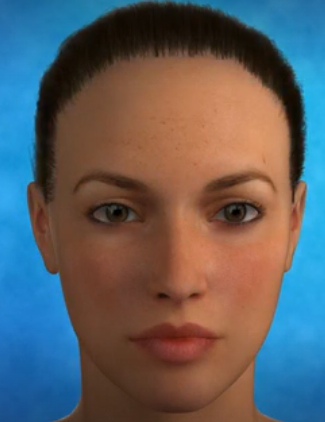
Face Lift in Manchester
The facelift is a surgical procedure which aims to rejuvenate the face and to give a more youthful appearance. The face and neck can sag with age as the skin loses its elasticity, muscle deteriorates and bone density declines. Face lift surgeons aim to smoothen the face by removing excess skin or facial fat, as well as completing face tightening to achieve youthful facial compositions.
The procedure can also be combined with other cosmetic surgeries, such as a neck lift, blepharoplasty, autologous fat transfer and brow lift. You can even further enhance your look with non-surgical procedures like lasers, peels and dermabrasion.
Nights In Hospital
Most patients spend 1 day in hospital after to let the general anaesthetic wear off after your procedure, but this may differ depending on surgical combinations.
Recovery
Recovery typically takes 2 to 4 weeks before you can return to work and social activities. Mr. Ross is a highly-qualified face lift surgeon and will be able to suggest recommendations after the routine check-up.
Full Results
You should see the full results of the procedure 6-9 months after surgery, as your scars fully heal and all the bruising disappears. At this stage, you can assess the final outcome of the procedure.
Gary Ross, MBChB, MD, FRCS (Plast)
Mr. Ross is a specialist face lift surgeon that has over 20 years experience within the industry, with his career starting at the Christie’s Hospital before specialising in face tightening procedures in the heart of Manchester. He is a trusted member of the:
- The General Medical Council (GMC)
- The British Association of Plastic, Reconstructive and Aesthetic Surgeons (BAPRAS)
- The British Association of Aesthetic Plastic Surgeons (BAAPS)
- The Association of Breast Surgeons (ABS)
- The British Association of Head and Neck Oncologists (BAHNO)
- First plastic surgeon recognised by the Royal College of Surgeons (RCSENG).
- Certification from iWantGreatCare with over 700 reviews.
Mr Ross’ work has been so impactful that it has led to several scientific contributions.
Our Patient's Journey After a Face Lift
Here is one of our case studies for face lifts, but for our full range of case studies, head over to our face lift case studies page.
What To Expect During Your Consultation
The success of the consultation depends on your openness and honesty in relation to the issues you want to resolve and your expectations of surgery. You will be asked questions about your health, desires and lifestyle. Different surgeries can be tailored to your needs, the potential outcomes and the risks and complications will be discussed with you. Various types of face lift techniques are available, which will be discussed with Mr. Ross to ensure the best approach for your facial rejuvenation.
The consultation will also include a discussion about the risks and limitations of surgery, so you can choose a procedure that will meet your expectations.
Popular Types of Face Lifts
Deep Plane Face Lift
Rather than just tightening the skin, a deep plane face lift is an advanced cosmetic procedure that lifts and repositions the deeper layers of the facial tissue and muscle. This restores original facial contours and midface volume without looking over-tightened.
SMAS Face Lift
Targeting the Superficial Musculoaponeurotic System (SMAS), this procedure aims to tighten the lower and mid-face to give patients a more youthful appearance. It targets the deep layer of fibrous tissue and muscle beneath skin, as the surgeon will lift and secure the layer before trimming any excess skin.
Mini Face Lift
A mini face lift is a less invasive cosmetic surgical procedure designed to lift and tighten the lower face and jawline. It uses much smaller incisions than other types of face lifts, reducing scarring on the face. Results typically last 3 to 5 years, which is shorter than a traditional procedure.
Preparing For a Facelift in Manchester
All face procedures require a general anaesthetic. We always prioritise our patient’s health with all cosmetic surgeries, so we will recommend postponing the surgery if you are feeling unwell or you have any health issues.
Before undergoing the procedure, it’s recommended that you do the following starting at least 6 weeks before the surgery:
- Stop smoking and using nicotine products.
- Stop taking aspirin and anti-inflammatory drugs.
- Stop taking certain herbal supplements and vitamins.
Recovery should also be planned for prior to surgery, with at least 2 weeks of undisturbed rest scheduled. This will require booking time off work, planning for assistance at home in the first few days and also avoiding driving for at least 10 days post-surgery.
After the Surgery
It’s normal to experience soreness, bruising, and swelling after your face lift in Manchester. We recommend that you follow Mr. Ross’ instructions to keep the treated area clean to ensure proper healing and avoid any infection. While you can typically return to work and social activities within 2 to 4 weeks, you should avoid any strenuous activity until cleared by Mr. Ross. Regular checkups should be performed to ensure your progress is going as expected.
Potential Side Effects of Rhytidectomy
Every type of surgery will have certain side effects, such as numbness, bruising and swelling, particularly around the ear and along the scar line. These effects are normal and typically resolve within a few weeks as the face heals.
As with any surgery requiring anaesthesia, there are also uncommon risks associated with it, such as respiratory or cardiac complications, but these are very rare. If you are unsure about any side effects you’re experiencing, get in touch with Mr. Ross as soon as possible.
Face Lift FAQs
Our faces age for a variety of reasons and ages at varying times for different patients. It is common to have the procedure between the ages of 40-70 although there is no age limit, as early intervention can be done for people in their 30s.
Those who have been pressured to contour their body by others are not suitable for the procedure. Other signs you may not be a good candidate are if you have unrealistic expectations, are a regular smoker or have a significant medical history.
There’s no fixed cost of any procedure, as it can differ on a case by case basis depending on whether you’re getting multiple surgeries or not. Once you’ve had the initial consultation, Mr. Ross will provide you with a full quote. Check out the cost of procedures on our website.
The procedure takes between 2 and 3 hours and in some cases, this is slightly longer if the surgery is combined with other procedures. An incision is typically made in the hairline and is extended down towards the ear and behind the earlobe. The length of the scar varies significantly depending on the expectations for the surgery.
There are many benefits to choosing to go private for this type of procedure. You’ll be offered more comfortability and the chance to hand pick your own surgeon. Gary Ross is always a popular choice for the procedure due to his high attention to detail, over 20 years of industry experience and many strong testimonials . As one of the most accredited private hospitals in the UK, patients leave the experience feeling well-rested and prepared for recovery.
Your first consultation will consist of a careful conversation about what we believe the best treatment route is for you. You’ll then speak with our specialist team to ensure your surgery is safe and tailored to your health profile.