Vaginal rejuvenation surgery and intimate cosmetic procedures

Advice regarding vaginal rejuvenation surgery following on from media reports

Last week the FDA launched a review of the way some vaginal rejuvenation surgery devices and treatments are marketed. The news from America quickly made its way to the UK, and left people asking questions with regards to intimate cosmetic procedures.

The US regulators of cosmetic treatments ruled that several device companies that offer vaginal rejuvenation surgery procedures were using underhand marketing ploys to sell the treatments to patients.

Many devices using for skin rejuvenation procedures are not actually approved for intimate use, the FDA explained in a media statement.

“These products have serious risks and don’t have adequate evidence to support their use for these purposes,” said Dr. Scott Gottlieb, the FDA commissioner. “We are deeply concerned women are being harmed.”

Rather than improve vaginal issues, some cosmetic procedures using energy-based devices have resulted in vaginal burns, scarring, pain during intercourse, or chronic pain, the FDA said.

The association also explained it has sent letters to seven makers of vaginal laser devices, giving them 30 days to respond to concerns and provide scientific proof these devices provide safe treatments.

Why are women seeking vaginal rejuvenation treatments?

Women may seek intimate treatments to improve the symptoms of vaginal atrophy, as a result of the menopause, child birth or cancer treatment.

Symptoms can include vaginal dryness and itchy, and stress urinary incontinence.

Treatment of vaginal atrophy and SUI is not the same as cosmetic treatments, designed to be offer cosmetic changes. These may include ‘tightening’ of the vagina internally or skin tightening.

Who to speak to about vaginal atrophy

There are treatments out there that can help to relieve the symptoms of vaginal atrophy but you need to seek the advice of an expert in this field.

If you are worried about your intimate health, in the first instance it’s best to visit your GP. He/she may then refer you to a gynaecologist; these medical professionals specialise in this area of the body and will better placed to help you.

Remember – every body is different, and what’s normal for one person isn’t the same for another. Everyone looks different and unless you have a medical issue there is usually little reason to under go any surgery like this.

More information

If you have any questions or concerns with regards to laser treatments of this kind please speak to a gynaecologist or relevant medical professional.

You can more from the FDA media statement on vaginal rejuvenation surgery online.
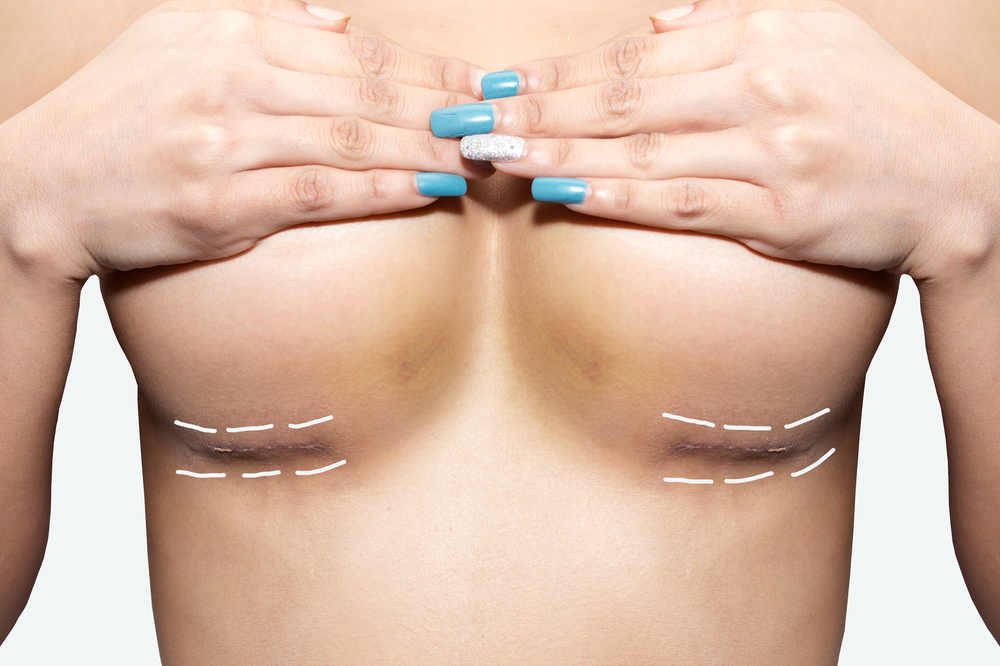
Breast Augmentation – Breast Implant Changes Over Time

As part of our vlog series, Mr Gary Ross is discussing breast augmentation results in relation to breast implant changes over time. This is a popular question during consultations, but also uncommon knowledge to most: how your breast implant results immediately look after surgery isn’t how they will look even 6 weeks later or 1 year later.

Breast Implants After Surgery

It can be common for patients to feel pain and discomfort in the chest region shortly after having breast augmentation surgery. The reason for this is due to the tissue expanding as a result of the implants being inserted. This is normal, especially when a patient wants to increase their breast size by a lot. Pair that with swelling from the surgery, which can leave you unsure about your breast implant results initially.

Throughout the video, there are 3 example case studies provided, which show the different results of breast augmentation surgery at 1 to 6 weeks and 5 years later; some additional case studies are below.

You can also visit our breast augmentation case study page to see more examples of results from our breast implant results and changes over time.

What Is Drop and Fluff?

Mr Ross, during the vlog, mentions the ‘drop and fluff’ effect on the breast implant results and changes over time, which is a common impact that breasts go through after breast augmentation surgery. More detail is provided in the video; however, drop and fluff is when your implants are first placed, and the muscles are tight, leaving them to ‘ride high’. Over time, the muscles relax and implants settle in a natural position.

Each procedure can have different results depending on genetics, volume of implant, breast tissue and breast implant placement. If you happen to be unhappy with your breast implant results, consult with Mr Ross for evaluations and discussions on breast augmentation revisions.

Enquire Today

If you’d like more information on breast augmentation surgery, then you can get in touch by contacting us here or by calling 0161 401 4064.

Rise in men seeking calf contouring surgery

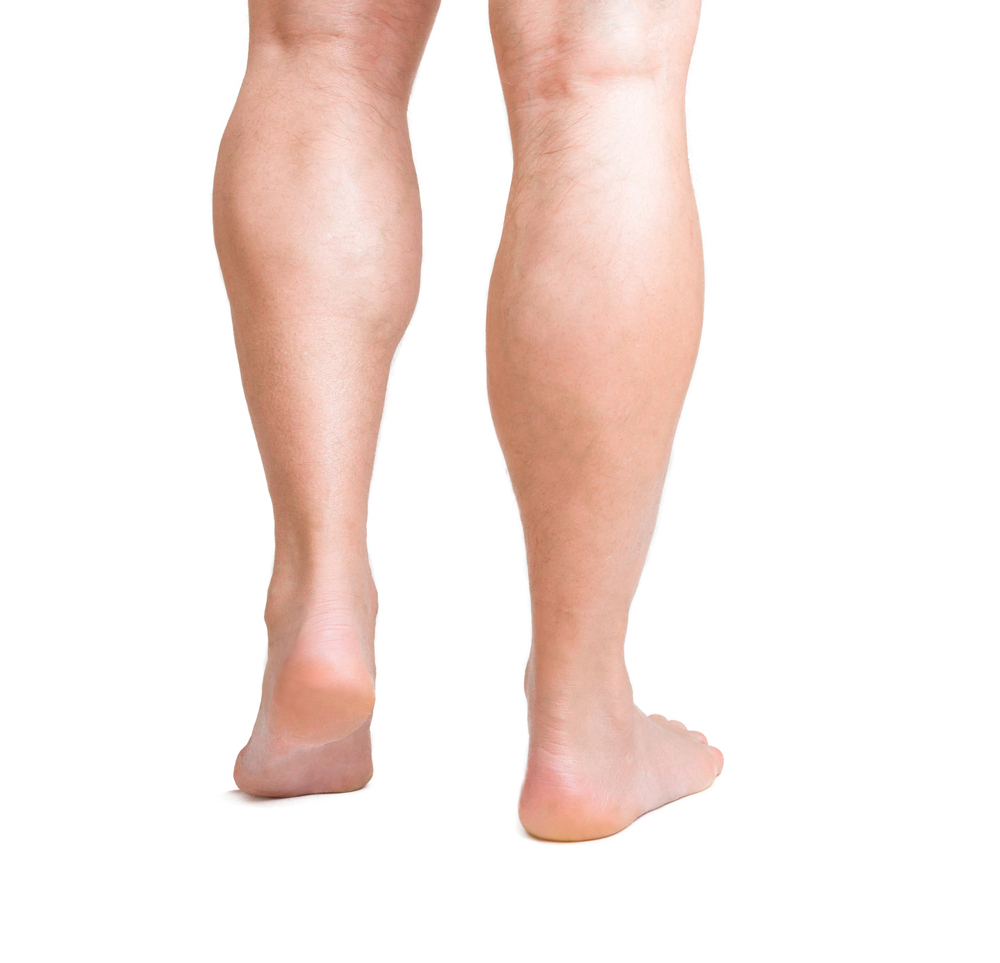
Gym-obsessed men undergoing £8,000 calf contouring procedure to beef up lower legs

How far would you do to skip leg day at the gym? Mr Gary Ross has noted a surge in men seeking ‘calf contouring’ vanity procedures.

The body contouring surgery specialist says there has been a rise in male patients enquiring about calf augmentation.

Those behind this new cosmetic trend are predominantly gym-goers who are unhappy with their lower legs looking out of proportion with the rest of the body.

Why choose calf augmentation?

Patients may request calf augmentation for purely aesthetic or cosmetic reasons.

Some desire only the medial or inner leg filled out whereas bodybuilders often want both the inner and outer lower leg filled out.

The procedure, which can cost up to £8,000, uses techniques or silicone implants to augment the calves, creating more volume to the area.

What happens during calf augmentation?

During the 90-minute procedure, fat is harvested from one area of the body using the Body-jet device and replaced within the calf.

It’s so popular now, Mr Ross enquiries now surpass those for buttock augmentation.

Mr Ross, who offers calf contouring amongst other fat transfer treatments, told BBC Radio 1 about this male-focused trend and procedure last week.

He told Newsbeat:

“We’re seeing a least 2-3 people a week looking for a change in this lower part of the body. Five years ago it was uncommon to have people come in for these treatments, maybe even less than 1 a month.

“Fat is taken via liposuction from areas such as the flanks before being replaced in the calves to provide volume.”

Gary Ross on calf contouring and calf augmentation

“Surgery can either be in the form of calf augmentation with a silicone implant or fat transfer, which is the increasingly more popular option. The choice of option depends on the pros and cons of the techniques and this needs to be discussed at a consultation.

“There are more risks associated with silicone implants and fat transfer is considered a safer technique, but the procedure may need to be repeated as the fat can reabsorb over time.”

There are other reasons for patients choosing calf contouring surgery including having underdeveloped calf muscles, which include both congenital and acquired causes.

“Congenitally there may be underlying causes such as skeletal malformations, and acquired causes include trauma. It is important to be examined thoroughly and to investigate any underlying causes before considering surgery,” Mr Ross concludes.

Getting more information

If you would like more information about calf contouring and calf augmentation procedures please visit the specific treatment page to get more detail.

What is Blepharoplasty Surgery?

What blepharoplasty surgery can do for you

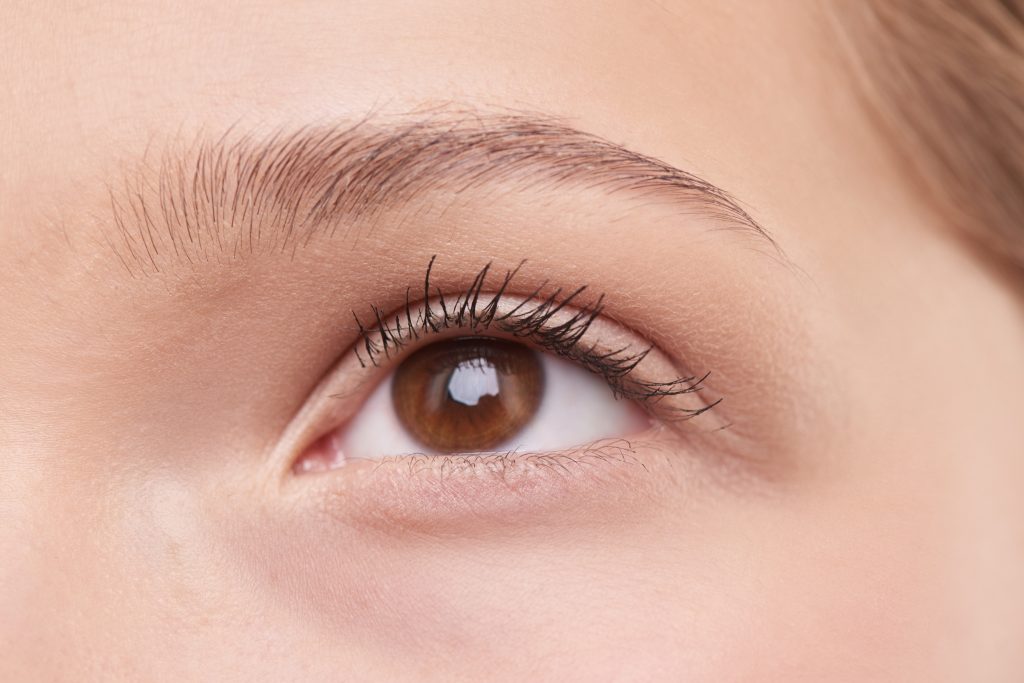
As we age the skin around the eyes begins to change. Blepharoplasty surgery can be an option for those unhappy with the appearance of the skin around the eyes.

Ageing symptoms commonly associated with the eye area can include sagging skin, hooded eyelids or drooping skin below the eyes. There are different types of blepharoplasty surgery depending on which concern you have.

What types of eye rejuvenation surgery are there?

In most instances one of two eyelid rejuvenation procedures are offered: upper blepharoplasty surgery and lower blepharoplasty surgery.

As the names suggest, upper blepharoplasty surgery procedures are designed to improve the eyelids, whereas lower blepharoplasty surgery reduces eye bags.

It is not uncommon for patients to undergo both upper blepharoplasty surgery and lower blepharoplasty surgery at the same time. This helps to rejuvenate the whole eye area, and opens up the upper face.

Who is blepharoplasty surgery suitable for?

Blepharoplasty surgery is designed for people who wish to rejuvenate the upper face. It’s more common in older patients who are unhappy with the physical effects of ageing around the eyes.

It’s not designed to treat wrinkles, but can be combined with dermal filler treatments should this issue need addressing.

What age should you consider blepharoplasty surgery?

Most patients undergoing eye lid rejuvenation procedures are over 40, or those with noticeable skin laxity above or below the eyes.

What happens during eyelid rejuvenation surgery?

Each procedure is different, but the universal goal is to reduce excess skin and creating a smoother appearance. Incisions are made and excess fat or skin is removed before the wound is closed.

You can find out more about the procedures on the blepharoplasty treatment page.

Is eyelid rejuvenation surgery safe?

All cosmetic surgery comes with some risk. Most patients are satisfied with the results of their upper blepharoplasty surgery and/or lower blepharoplasty surgery, but there are risks associated.

Patients will noticed swelling and bruising around the eyes in the days and weeks after surgery. You will be told about any risk or complications during your consultation.

How long does it take to recover from this procedure?

An overnight stay in hospital is likely. You will require some time off work to recover, and should avoid exercise initially.

Your surgeon will give you advice on how best to recover from upper blepharoplasty surgery or lower blepharoplasty surgery.

How do you choose a surgeon for blepharoplasty surgery?

It’s important to do your research and choose a cosmetic surgeon that specialises in your field of treatment. A plastic surgeon has a working knowledge of both the face and body.

Booking a consultation is a good way to get to know your surgeon. This is an opportunity for you to ask questions, make sure you’re suitable for the procedure, and meet the clinic staff.

Where can I get more information about this procedure?

You can find more specific information on the blepharoplasty treatment page. There’s lots of handy tips and advice to use as part of your research.

To book a consultation with Mr Ross simply email the clinic team. They will help to guide you and can answer any initial questions you may have.

Anatomy Effects On Breast Enlargement Results

In this vlog, we discuss how a patient’s anatomy can affect their breast enlargement results. When a patient goes through a breast enhancement operation, there are several anatomical factors that can determine the results of the breast enhancement procedure. There are suggestions that the same implant sizes and shapes will provide consistent results for every patient, which isn’t the case.

The anatomical differences that can have an affect include back size, chest wall asymmetry, excess skin and gap size in the chest region. Throughout the video, there are several case studies that show differing breast augmentation results because of the anatomical differences that the patients have. The examples that are provided in the video explores different situations where anatomical differences are presented of the patients.

Breast augmentation advice is also provided on how to go about making sure that you get the results that you wish. On occasions, considerations such as nipple size and position can be different on breasts and so different implants may be required for the breast enlargement results to appear symmetrical. The video outlines more details about how patients can use their consultation to compare their body types with previous patients who have had similar procedures. This can determine what would be the best procedure to gain the best results for the patient.

If you’d like more information on breast augmentation surgery then you can get in touch by contacting us here or by calling 0161 401 4064. You can also visit our breast augmentation case study page to see more examples of results from our performed treatments.

Is Gynaecomastia Surgery Right for Me?

How to know if gynaecomastia surgery right for you

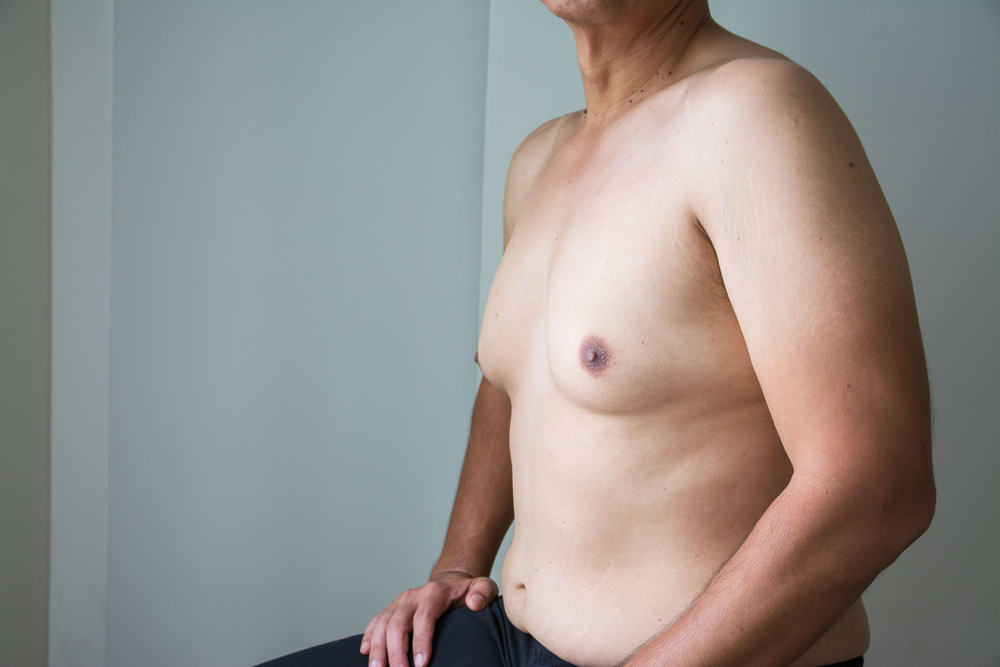
An increasingly requested form of cosmetic surgery for men is gynaecomastia surgery. Otherwise known as a male breast reduction, this procedure removes unwanted tissue from the chest.

Gynaecomastia surgery is designed to help adult males who are unhappy with the aesthetic appearance of their chest. A male breast reduction is a surgical procedure and like all surgery comes with risks.

There are-non surgical treatments such as fat reduction using energy-assisted devices, but it’s largely agreed gynaecomastia surgery is the long-term solution.

Why do some men need gynaecomastia surgery?

Male breasts can form for several reasons. For some patients, it can be a genetic condition, for others a result of hormonal changes during puberty.

Weight can also play a factor but diet and exercise can usually shrink the chest if this is the problem. A form of gynaecomastia surgery can be offered to remove excess skin post-weight loss if this is deemed necessary.

Treating gynaecomastia

For men affected by this condition, gynaecomastia surgery can provide life-changing results. Those suffering from this fairly common but unwanted condition may feel emotional distress as well as unhappiness with their physical appearance.
Choosing to undergo gynaecomastia surgery shouldn’t be undertaken lightly, but often provides welcome relief for men unhappy with the appearance of their chest.

The traditional surgical procedure takes 1-2 hours and is performed under general anaesthetic in a hospital. You will be required to stay overnight.

Other treatment options

Other treatment options may include fat removal using Body-jet. It’s often the case that fat reduction is used alongside gynaecomastia surgery to get a more natural-looking result.

Body-jet fat removal is water-assisted, so the fat can be taken from the breast in a more gentle way. This results in less bruising.

Which form of gynaecomastia surgery you require is between you and your surgeon. A full consultation is required in order to ascertain suitability.

Recovering from gynaecomastia surgery

Male breast reduction surgery requires some recovery time, and this should be factored into your decision to undergo treatment. You will likely need some time off work and be required to rest.

You are likely to have scars but you can help these heal faster by following some simple steps. This blog post offers some useful tips and advice for wound care and recovering from surgery.

Choosing a surgeon for breast surgery

It’s important to do your research before committing to any kind of breast surgery, including male breast reduction procedures. Take the time to research before choosing a plastic surgeon and do your homework regarding the procedure.

We have lots of helpful information on our treatment pages if you are considering undergoing gynaecomastia surgery. If you are interested in learning more about surgeon selection you may find this article useful.

Please call or email the clinic if you would like to book a consultation for gynaecomastia procedures including male breast reduction.

Mr Ross named in RealSelf 500

Gary Ross named in the top 500 experts on patient research website

Mr Gary Ross is delighted to have been named in the RealSelf 500. The award celebrates commitment to patient education, along with an ability to inspire patients to share their story with the online community.

One of the most trusted patient resources available online, RealSelf is used every day by potential cosmetic surgery patients who are looking to undergo procedures.

What is RealSelf?

It’s an ideal platform for potential patients who wish to find out more about a specific medical professional, which may include plastic surgeons, cosmetic doctors, or dentists.

Mr Ross is delighted to be the recipient of this award from RealSelf and remains passionate about patients doing their research and ensuring they choose the right surgeon for their prospective treatment

Surgeon selection

Surgeon selection is incredibly important part of the journey for a patient who is choosing to undergo cosmetic surgery procedures such as facelift surgery or mummy makeover surgery.

When it comes to choosing a cosmetic surgeon, it is important to ascertain their suitability to your specific procedure.

When doing your research and choosing a medical professional to undertake your elective procedure, it’s a good idea to ensure they have good reviews from previous patients, as well as credentials and membership to safety organisations. This may include the BAAPS or BAPRAS.

Knowing more about your surgeon is a healthy step in undergoing cosmetic procedures in a safe and reliable setting. RealSelf is another platform that is helpful in providing information and reviews from previous patients about the surgeon you may be considering.

On his RealSelf award Mr Ross said:

“The RealSelf platform is an ideal online resource for potential patients and I’m pleased to be the recipient of this accolade.

“Before choosing to undergo any form of cosmetic surgery it’s important that patients do their research and ensure that they get to know their chosen surgeon before agreeing to undergo any procedures. The relationship between surgeon and patient is important, and it’s vital you make sure you feel comfortable and confident in surgeon’s abilities.

“We invite all potential patients to come in for a consultation to discuss their individual needs. This provides an excellent opportunity to ask questions and to determine suitability.

Get more information

You can read this post for more information about choosing a plastic surgeon. For treatment and procedure information please view the treatment pages and contact us if you have any questions.


Global cosmetic surgery industry is booming

Global cosmetic surgery industry is booming

Across the world the cosmetic surgery industry is gaining in popularity

According to a new report by IMCAS last week, $10.7 billion was spent last year on materials used in cosmetic procedures worldwide.

The IMCAS World Congress, held in Paris on February 1st 2018, revealed that business is well and truly booming for the aesthetic sector, with an overall increase of 8 per cent in the cosmetic devices and products being purchased by medical professionals.

According to experts, the market is predicted reach $11.6 billion during 2018, and is set to more than double from 2014 to 2021. This will no doubt be welcome news to industry professionals worldwide.

The report tracked sales of cosmetic equipment such as body contouring lasers, devices for hair removal, pharmaceutical compounds and active cosmetics, fat transfer and removal devices, muscle-relaxing toxins such as Botox, dermal fillers, and breast implants.

Industry experts have credited the boom to a healthier global economy, technological innovations, and “a desire on the part of baby boomers to remain competitive in a youth-centric workforce.”

Surgical procedures to remove and transfer fat from areas such as the buttocks or abdomen to improve volume in the breasts or plump up cheeks were amongst the most popular, the data showed.

This is in keeping with an ISAPS report from 2016/17, where it was reported 23.6 million face or body-boosting procedures were performed globally.

This was up 9 per cent compared to 2015, and 10.4 million of these patients specifically chose surgery rather than non invasive treatments.

How is the industry evolving in the UK?

Here in Manchester, Plastic Surgeon Mr. Gary Ross has seen a rise in patients seeking fat transfer procedures, as well as mummy makeovers that combine multiple procedures. These can include a tummy tuck combined with breast uplift and fat transfer.

“Combination treatments to contour the body have been on the rise for sometime now, with patients seeking more impressive results with less down time,” says Mr. Ross.

“We can perform multi-procedure surgery now, meaning patients are in recovery for less time. The mummy makeover is a prime example of this; we perform body contouring surgery with breast rejuvenation surgery in order to reduce the downtime.”

Water-assisted fat transfer treatments such as body-jet are becoming more and more popular as patients seek fat reduction or transfer without the lengthily downtime associated with procedures like liposuction.

Get more information and book a consultation

For more information about cosmetic surgery procedures including fat transfer or mummy makeovers, or if you wish to find out more about the combination of non-surgical with surgical procedures, please contact the team who will be delighted to help you book a consultation. Every patient is different and we believe in offering bespoke treatment plan to each and every person we agree to help.

Direct Brow lifting in Aesthetic Surgery

The appearance of the eyebrow is an important landmark in facial aesthetics. Its shape and position convey youthfulness and attractiveness. Most authors suggest the brow in women should arch above the supraorbital rim and for men; the brow should arch along the rim. Aesthetically the brow is considered more aesthetic if it starts lowest in the inner portion with the peak of the arch is in the outer third of the eyebrow.

Botox has been used to alter the position of the brow by altering the pull of the muscles that elevate and depress the brow. Fillers have also been used to try and elevate the brow and may be considered a good option for many patients wishing to have a subtle change to the brow.

Surgically many operations have been suggested to elevate the brow and reduce the wrinkle lines. These techniques can be broken down into indirect methods and direct methods.

Indirect brow lifting

Indirect methods involve incisions remote to the brow. These may involve incisions in the hairline and the brow accessed through these incisions and the brow elevated either with or without the use of endoscopic devices with or without muscle division.

Direct brow lifting

Direct methods involve the placement of scars within the periorbital region. These can be through an upper eyelid incision or through an incision immediately above the eyebrow hair. Again the muscles can be altered via these methods.

The direct method of brow lifting with scars just above the brow has been a source of controversy with many surgeons concerned about how the scars are accepted by patients.

A recent study published in the Aesthetic Surgery Journal from Italy where a direct brow lift was performed in 212 patients has shown a 98% satisfaction rate with this method of brow lifting.
Mr Ross agrees with the findings of this study and believes that in the carefully selected patient and utilizing a similar technique as described in this study that patients are very happy with the results achieved.

Any patient wishing to undergo peri-orbital rejuvenation need to consider the various non-surgical and surgical options and be taken through the pros and cons and risks in order to be empowered to proceed or not. You can read more about brow lifts here.

Reference

Breast Uplift Surgery (Mastopexy) – Is It Right For You?

Breast uplift surgery is designed to help those women whose breasts have sagged, either as part of the natural ageing process – sadly, gravity takes its toll on our bodies as well as our faces – or as a result of childbearing or weight loss.

What is it?

A mastopexy is aimed at lifting and recontouring the breasts to a more youthful shape and position.This usually involves repositioning the nipples and might also include Breast Augmentation Surgery (p 63) or Breast Reduction Surgery (p 65), depending on what your breasts look like to start with and the results you are trying to achieve.

Who is suitable?

You will need to undergo a thorough consultation to assess whether you are a suitable candidate. There are several different options depending on the degree of
sagging. The technical term for sagging is ‘ptosis’ and in breast uplift surgery the degree of ptosis is graded according to the distance between the nipple and the crease of the breast. In grade one, the nipple is about level with the crease; in grade two, the nipple is less than three centimetres below the crease and in grade three cases, it is more than three centimetres below the crease.
The surgeon will assess what grade of ptosis is present at the consultation and will then tell you which technique is most suitable for you. If you have only very mild sagging, you may only need a Breast Augmentation (p 63), but this will only lift the breasts by one to two centimetres and won’t halt further drooping as you age.


Download Article